

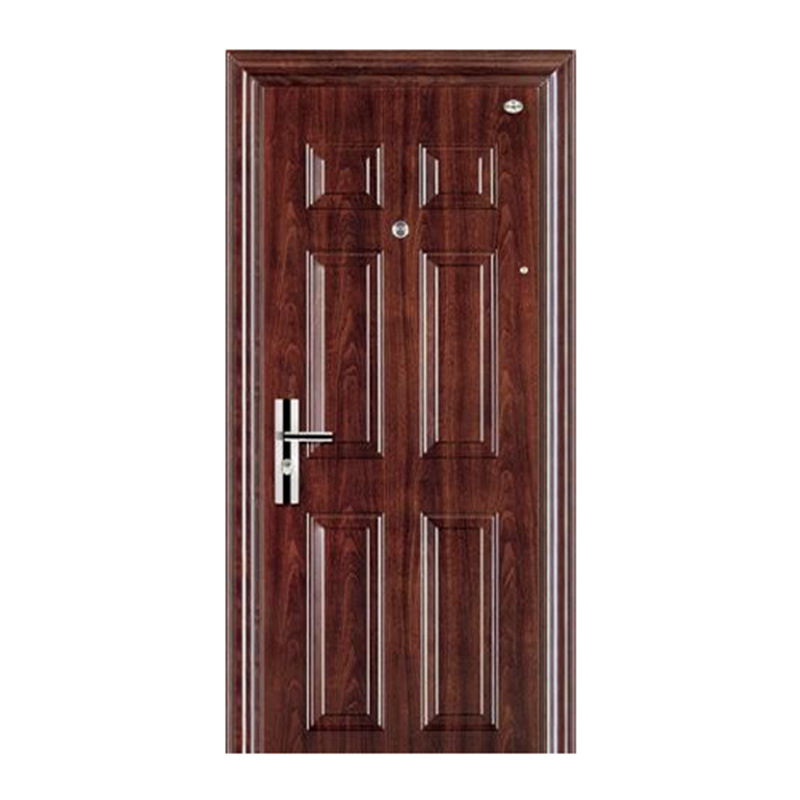
Wooden fire-rated door
Anheng Fire-Resistant Doors and Windows specializes in: stainless steel rolling shutters, stainless steel openwork gates, aluminum alloy gates, silent rolling doors, electric retractable gates, remote-controlled garage doors, glass sensor doors, security doors, and building intercom systems. We also offer custom-made automatic aluminum alloy rolling doors, industrial overhead doors, steel fire-resistant roller shutters, double-track double-curtain Class-A fire-resistant roller shutters, steel fire-resistant doors, and fire-rated wooden doors, as well as a wide range of specialized doors tailored for large-scale projects.

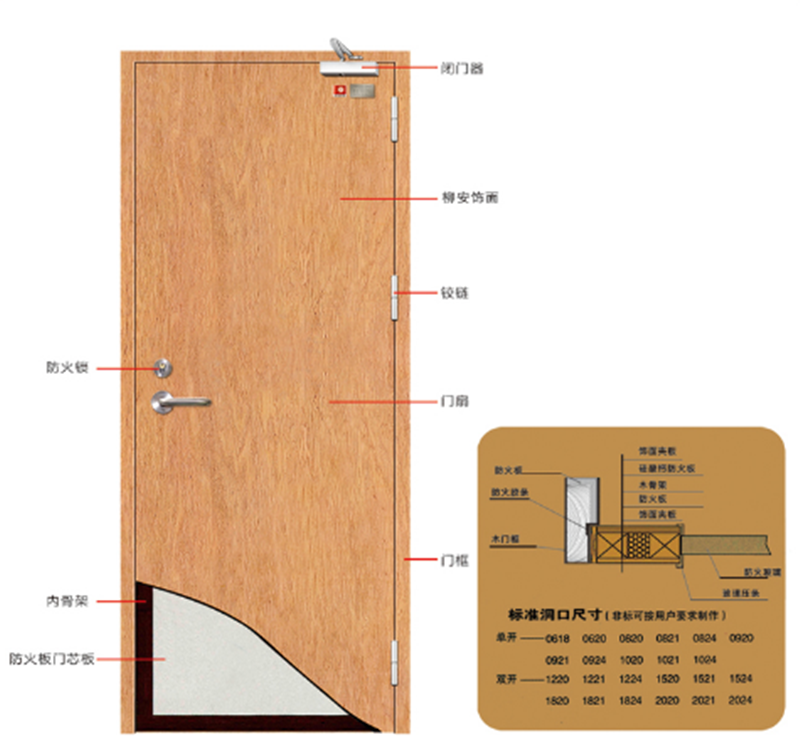
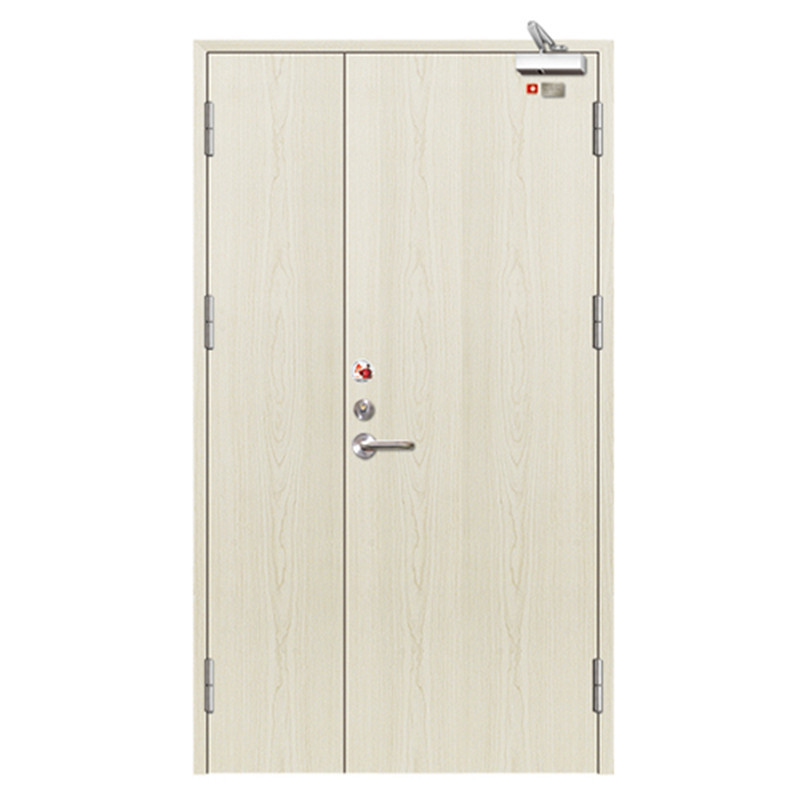
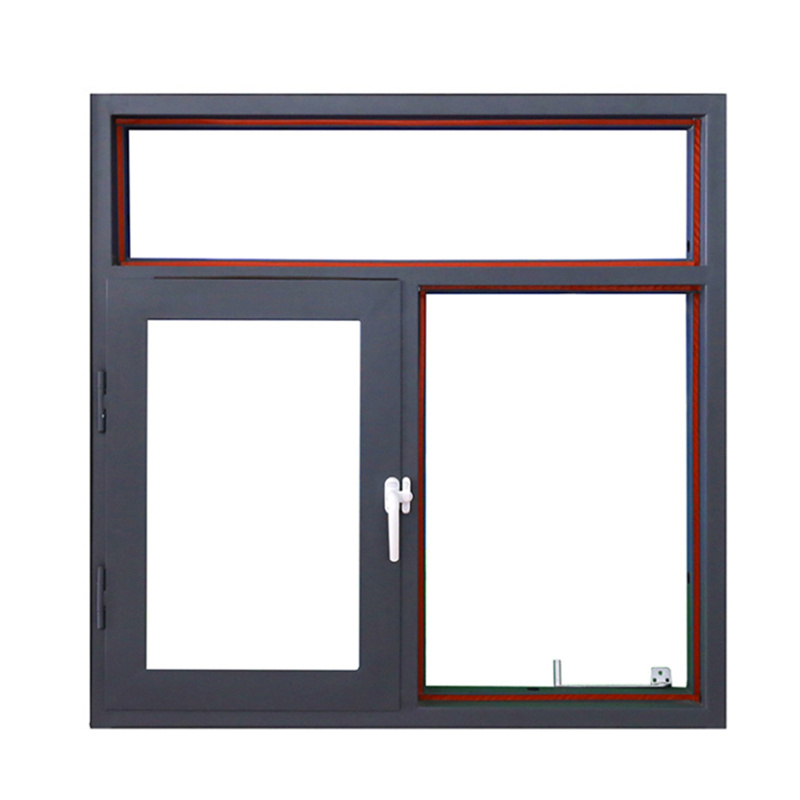
Fire doors are one of the key fire-resistant compartmentalization elements in buildings. They are typically installed on firewalls, at stairwell entrances and exits, or around openings in pipe shafts, playing a crucial role in minimizing fire damage. By material, fire doors can be categorized into two types: steel fire doors and wood fire doors. These two types differ slightly in installation details. Additionally, they also vary slightly in their fire-resistance ratings. Therefore, it’s essential to pay close attention to these details when installing them.
First, when installing wooden fire-rated doors, the door frame dimensions should be 20 mm smaller than the opening size, and the bottom of the door frame should be embedded 20 mm below the ground level. The door frame must be securely fastened to the wall and maintained at a perfect vertical angle. During installation of the door frame and its supports, special attention should be paid to ensuring that they are perfectly straight and square, avoiding any unnecessary planing or sawing. There should be no fewer than three fixing points on each side of the door frame, and the spacing between these points should ideally not exceed 800 mm.
Second, during the installation of steel fire doors, given the issue of bending and deformation in the door frame, it’s necessary to support the frame with wooden battens across its width. The bottom of the door frame should be embedded 20 mm below the ground level, after which the frame should be welded to the pre-embedded components on the wall. Next, openings should be made in the walls at the upper corners of the door frame, and concrete consisting of cement, sand, and expanded perlite (in a ratio of 1:2:5) should be poured into these openings. Once the concrete has fully set, the door can be put into use.
Product Search
Please contact our team promptly, and we’ll be happy to assist you!
* Note: Please make sure you fill in the information accurately and keep communication smooth. We’ll contact you as soon as possible.
We provide customers with high-quality, illuminated products and offer tailored lighting solutions to meet the diverse needs of our clients.
Social media
Contact Us
Unit on the 7th floor, Building 10, Liuzhou Yanghe Building Materials Logistics Center, Plot Bingshi-D-1-5, Yanghe Industrial New Area, Liuzhou City, Guangxi Zhuang Autonomous Region