

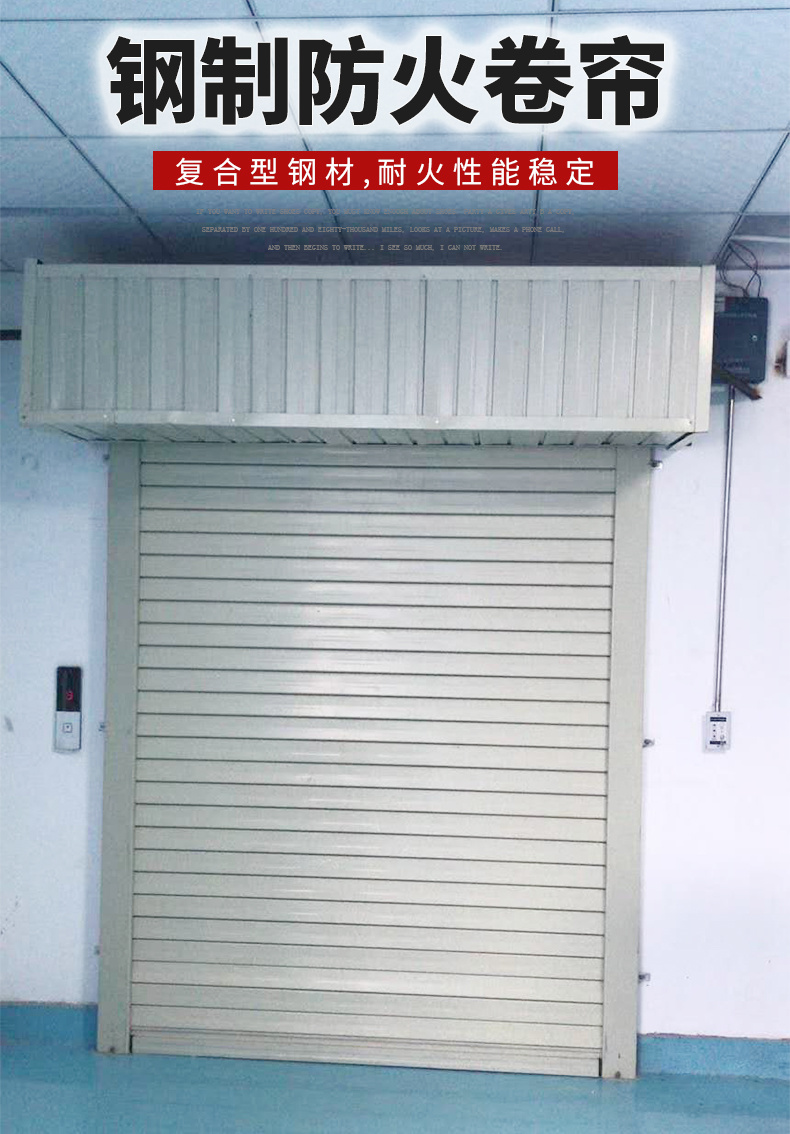
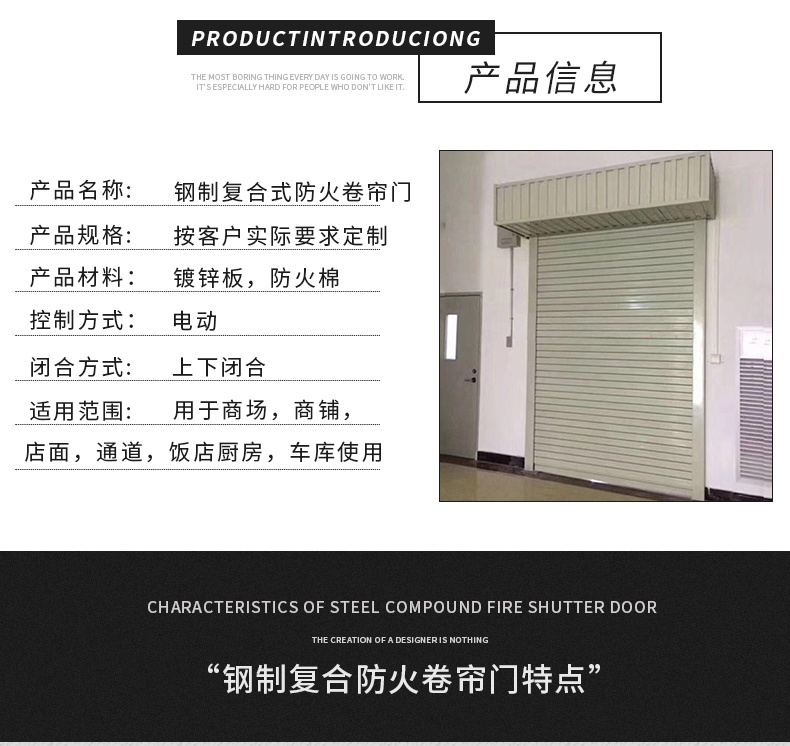
Fire-resistant rolling shutter door
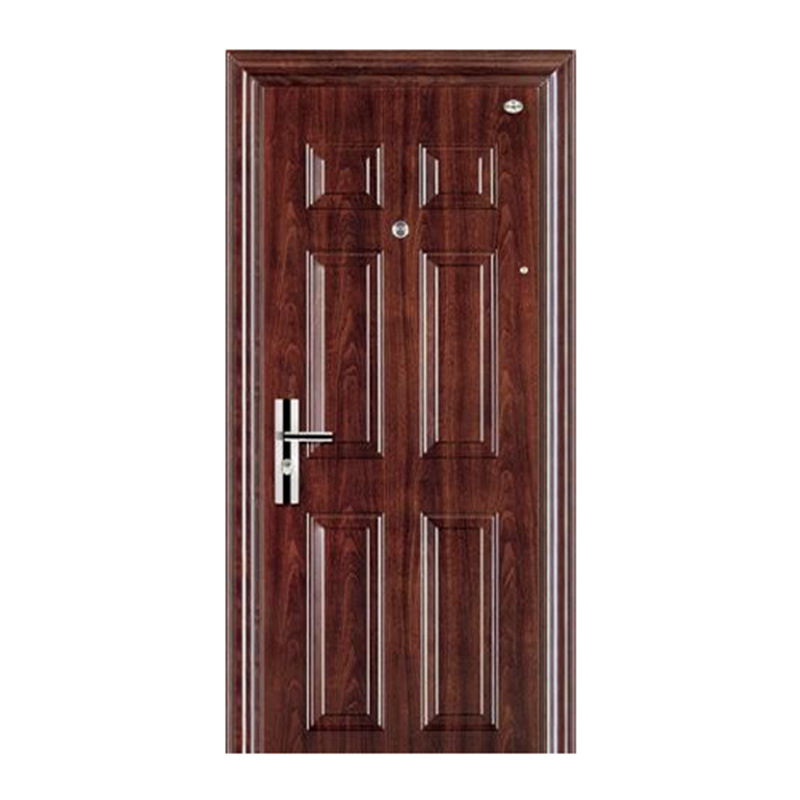
Anheng Fire-Resistant Doors and Windows specializes in: stainless steel rolling shutters, stainless steel openwork gates, aluminum alloy gates, silent rolling doors, electric retractable gates, remote-controlled garage doors, glass sensor doors, security doors, and building intercom systems. We also offer custom-made automatic aluminum alloy rolling doors, industrial overhead doors, steel fire-resistant roller shutters, double-track double-curtain Class-A fire-resistant roller shutters, steel fire-resistant doors, and fire-rated wooden doors, as well as a wide range of specialized doors tailored for large-scale projects.
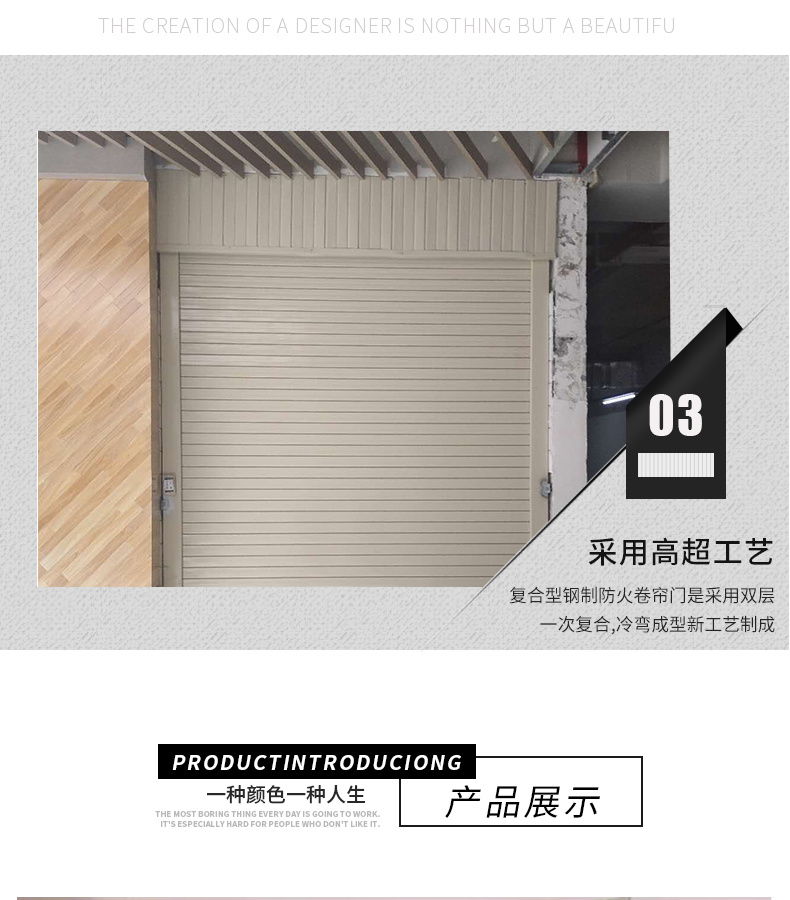
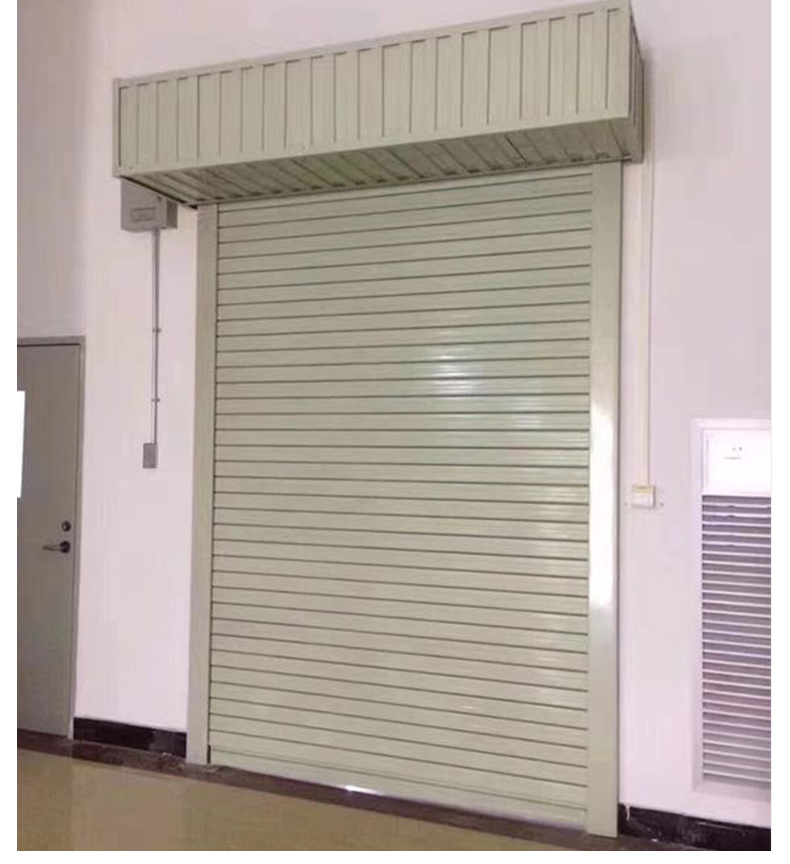
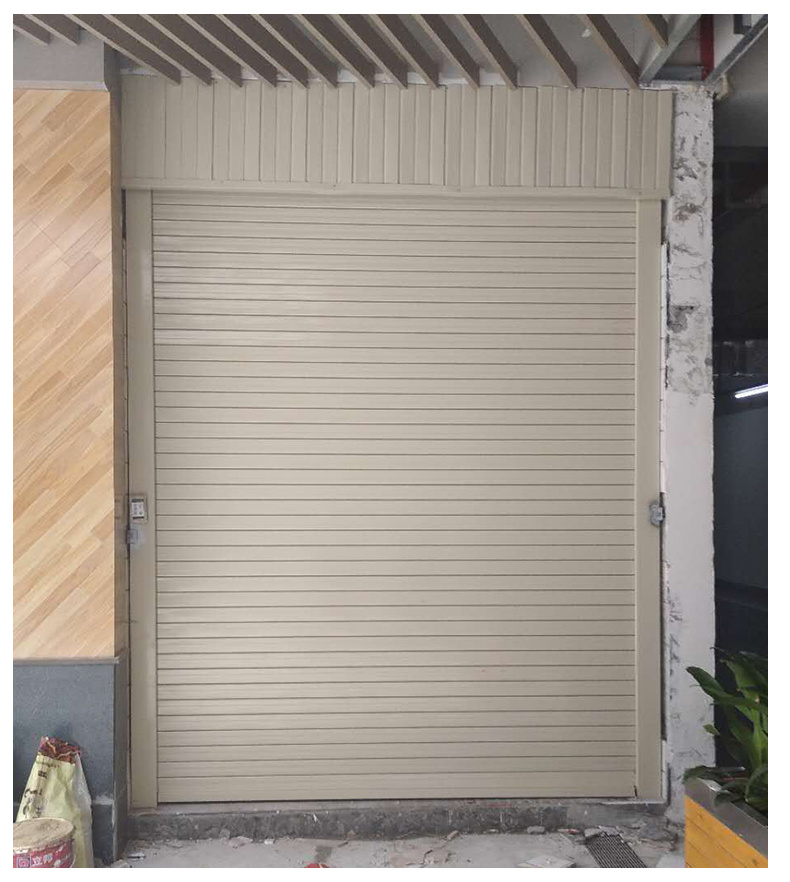
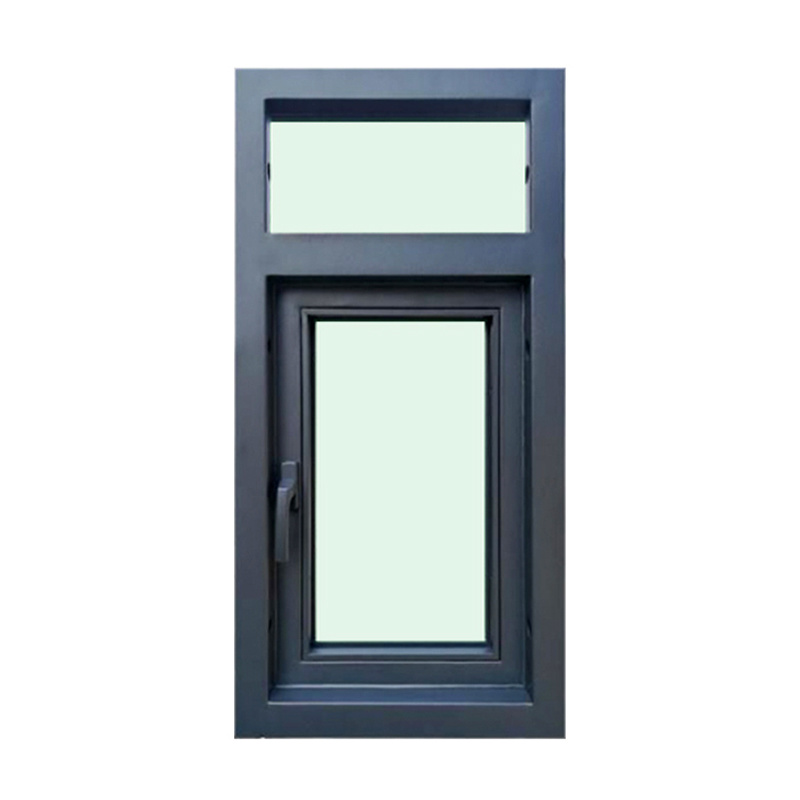
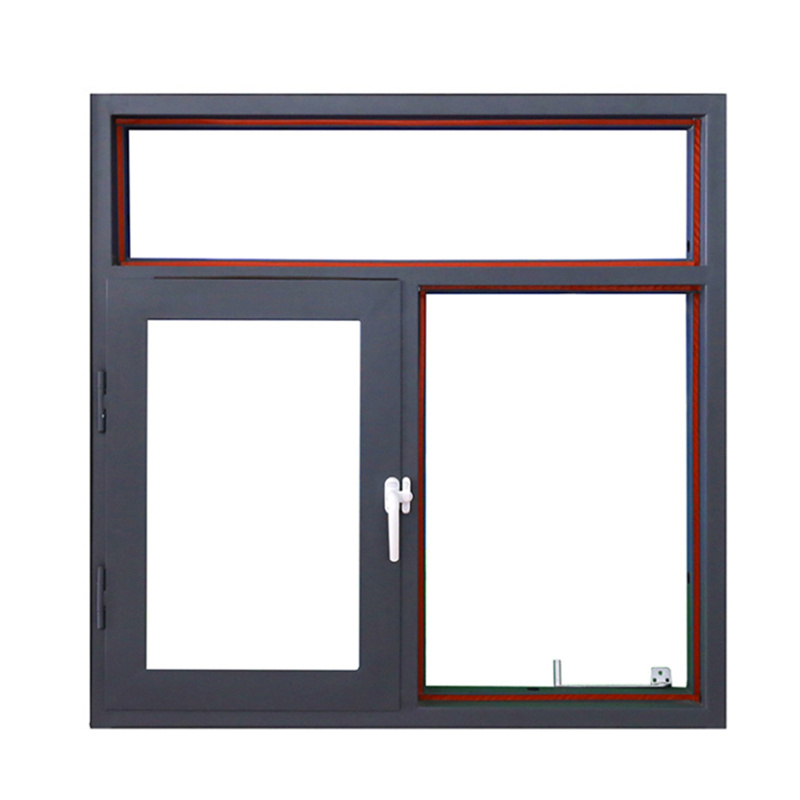
Insulated fire-resistant windows typically use cast-in-place composite fire-resistant glass. This type of fire-resistant glass is made by injecting a fire-retardant liquid into the space between two panes of glass. When exposed to fire, the fire-retardant liquid solidifies, forming a white barrier that effectively prevents the spread of flames and provides thermal insulation. Non-insulated fire-resistant windows, on the other hand, use single-layer fire-resistant glass ranging from 6 to 19 mm in thickness. These windows have a shorter fire-resistance rating compared to composite fire-resistant glass and do not offer thermal insulation. Nevertheless, they still meet national standards and can be manufactured using various configurations, including single-pane, hollow-core, or triple-glazed designs with two air chambers, depending on specific requirements. Insulated fire-resistant windows generally offer fire resistance durations ranging from 1.5 to 3 hours, whereas non-insulated fire-resistant windows have a fire-resistance limit of 60 minutes. The frames of insulated fire-resistant windows are typically made of steel; the window frame can be fabricated from galvanized steel or stainless steel sheets. The type of opening—fixed or operable—is customized according to customer needs. The frames of insulated fire-resistant windows are commonly made from aluminum alloy, fiberglass-reinforced plastic, PVC, or steel profiles. Due to the relatively weak resistance of the fire-retardant liquid to solar radiation, insulated fire-resistant windows are primarily used indoors in areas requiring Class A fire-resistance ratings. Non-insulated fire-resistant windows, by contrast, exhibit excellent weather resistance and are mainly employed for exterior building windows or in locations exposed to prolonged ultraviolet radiation—for example, in curtain walls and exterior fire-resistant windows. The cost of insulated fire-resistant windows is higher than that of non-insulated fire-resistant windows, reflecting the greater expense associated with their enhanced thermal insulation properties.
Product Search
Please contact our team promptly, and we’ll be happy to assist you!
* Note: Please make sure you fill in the information accurately and keep communication smooth. We’ll contact you as soon as possible.
We provide customers with high-quality, illuminated products and offer tailored lighting solutions to meet the diverse needs of our clients.
Social media
Contact Us
Unit on the 7th floor, Building 10, Liuzhou Yanghe Building Materials Logistics Center, Plot Bingshi-D-1-5, Yanghe Industrial New Area, Liuzhou City, Guangxi Zhuang Autonomous Region